New Year, New Financial Start: Get Your Money Working for You

The start of a new year is a natural time to sharpen focus on what matters most. Financial wellness—knowing where your money goes, feeling confident about your choices, and having a plan for the future—is one of those things that pays off in every part of life. It cuts down stress, strengthens families, and helps you make smart money decisions without second-guessing.
At Nuvision, financial wellness isn’t a slogan. It’s a real commitment. We back it up with free tools, education, and support to help members build better lives. In 2025, our How Money Works program ran a full-year class at Costa Mesa High School—over 130 students from freshmen to seniors finished it. We also did sessions at Lakewood High (100 students in one day) and Berkeley Technology Academy. They learned the essentials: budgeting, saving, investing, building credit, and what “good” debt looks like versus the bad kind. Those skills stick with people for life, and we’re proud to help get them started early.
Why do we focus on financial literacy and financial wellness? Because starting young changes everything. Kids who learn money early are way less likely to fall into debt traps or live paycheck to paycheck as adults. It’s about giving the next generation tools to build security, not struggle. That fits right into our bigger purpose—helping those in need, building financial know-how, and supporting our communities.
Current State of Financial Literacy and Confidence
- According to Federal Reserve data, about 55 percent of adults have enough set aside to cover three months of living expenses, a common benchmark for financial resilience
- A recent MarketWatch report found 72 percent of people say they would be happier if they saved or invested more money, compared with far fewer saying that spending more would increase happiness.
- Debt is a real burden for a majority of households. Surveys show that 56 percent of Americans say their household is struggling with debt, and many expect their total debt load to rise over the next year
Kick Off the Year with Simple Budgeting That Actually Works
A good budget isn’t about cutting fun out of life—it’s about making sure your money lines up with what you care about. Start small so it doesn’t feel overwhelming.
Track where your money’s going first. For the next month, write down or use an app to log every expense—groceries, gas, subscriptions, coffee. Our mobile app and online banking make this easy; you can see patterns fast without much effort.
Figure out your real income and split it up. A simple way many people start is the 50/30/20 rule: about 50% on must-haves (rent, bills, food), 30% on things you want (eating out, hobbies), and 20% toward savings, debt payoff, or emergencies. Adjust the numbers if your situation’s different—maybe you need 60% on needs right now. The point is to give every dollar a job.
Warren Buffett sums up this idea: “Do not save what is left after spending; instead spend what is left after saving.” When savings come first, everything else falls into place more easily.
Automate your priorities. Set up automatic transfers right after payday—one to savings, one toward debt if you’re paying extra. Even small, consistent amounts add up over time, and automation removes the guesswork.
Build in some breathing room and review monthly. Life happens—car breaks, kid needs something. Check in once a month, tweak what’s not working, and celebrate small wins like hitting a savings goal or paying off a card.
These aren’t rules to follow perfectly; they’re tools to regain control. Budgeting Guru, Dave Ramsey points out what many people miss: “Personal finance is only 20% head knowledge. It’s 80% behavior.”
If you want help setting it up or figuring out debt, our partnership with BALANCE gives members free one-on-one financial coaching—certified counselors for credit reviews, debt plans, or just getting organized.
Teaching the Next Generation: Why It Matters and How We’re Helping
One of the best parts of our work is seeing young people get these skills early. Through How Money Works and our Youth Finances section in the Financial Wellness Center, we give kids and parents real resources, including talking about allowance, needs vs. wants, saving for goals, and opening a youth savings account here at Nuvision.
Parents, start the conversation at home. Ask your teen what they’d do with $100 extra—spend it or save half? Open a joint account so they see money grow. Programs like ours show them budgeting isn’t boring; it’s power. As our partner Lester Baron from HowMoneyWorks put it: “It’s a pleasure partnering with Nuvision to bring this important series of financial literacy classes to students. Through this program we’re able to teach students the essential skills that will be vital in helping them build a financial foundation and manage their lives financially now and in the future.”
We’re Here for the Whole Journey
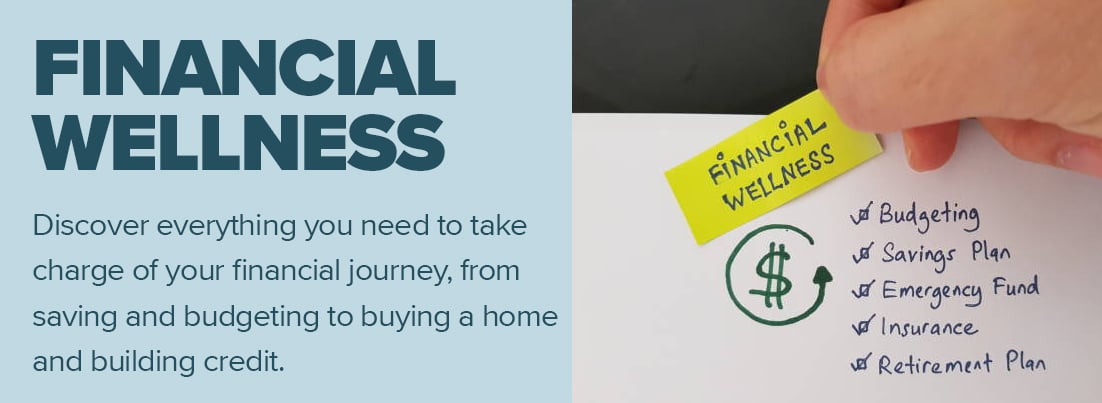
Nuvision isn’t just about accounts and loans. We’re here to help you build the life you want, step by step. Head to our Financial Wellness Center for free guides on saving & budgeting, credit & debt, youth finances, retirement, homeownership, and calculators that make planning straightforward. Check the blog for more tips, or call us at 800-444-6327 to talk one-on-one.
This New Year, let’s make financial wellness a family thing. Start with one small change—track spending, set up an auto-transfer, talk money with your kids—and build from there.
SHARE THE ARTICLE:

Financial Wellness Center
NUVISION BLOGS


